
When you look at the labels of many common cleansing products, you will often find ingredients like Sodium Lauryl Sulfate (SLS) or Sodium Laureth Sulfate (SLES) near the top of the list. These compounds, known as sulfates, have long been the industry standard for creating a thick, billowing foam that provides a satisfying lather.
However, while a large amount of foam might feel like a sign of a thorough clean, it can often indicate that a product is stripping your skin of its essential protective layers. Understanding what you are putting on your skin is the first step toward a more nurturing daily routine.
How Cleansers Interact with Your Skin
To understand why some cleansers are harsher than others, it is helpful to look at how they interact with the skin’s surface. Water alone cannot effectively remove oil, sebum, or dirt because oil and water naturally repel each other. Surfactants, or surface-active agents, are used to bridge this gap.
Surfactant molecules have a dual nature:
- A hydrophilic (water-loving) head that binds to water.
- A lipophilic (oil-loving) tail that binds to oils, dirt, and impurities.
When you lather, the oil-loving tails grab onto sebum and dirt. When you rinse, the water-loving heads pull these molecules, together with the trapped impurities, away from your skin.
Because sulfates have a very small molecular size and a high electrical charge, they do more than just lift away surface dirt. They can penetrate the outermost layer of the skin and may dissolve essential lipids like ceramides and fatty acids that hold skin cells together. When you experience a “tight” or “squeaky” sensation after washing, it is often a sign that the skin barrier has been disrupted, leading to potential skin dehydration and irritation.
The Coconut-Derived Alternative
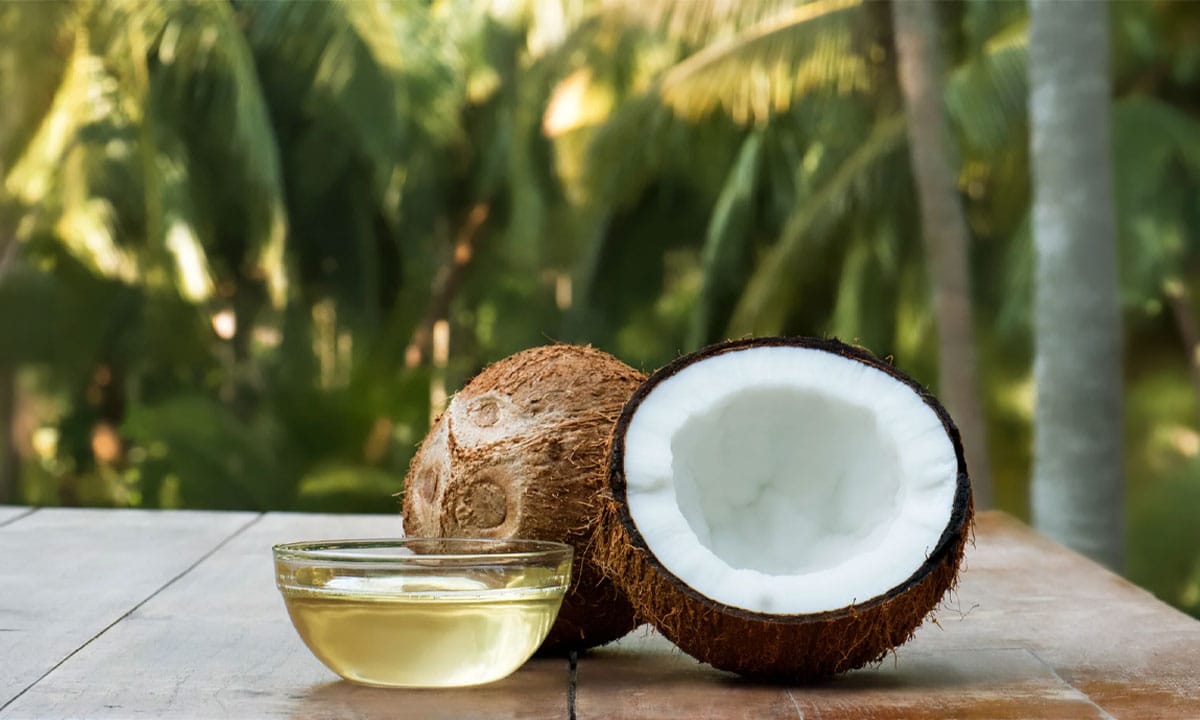
A popular, gentler approach involves using coconut-derived surfactants, such as Coco-Glucoside, Sodium Cocoyl Isethionate, and Cocamidopropyl Betaine. These are created by combining the natural fatty acids found in coconut oil with plant sugars or amino acids.
These plant-based alternatives differ from synthetic sulfates in several key ways:
- Larger Molecular Size: Their molecules are larger, which prevents them from easily penetrating the deeper layers of the skin, allowing them to clean surface impurities while leaving the underlying lipid matrix intact.
- pH Compatibility: The skin is naturally slightly acidic (around a pH of 5.5). Sulfates are often highly alkaline, which can disrupt this balance and create an environment where harmful bacteria thrive. Coconut-derived surfactants typically maintain a more skin-compatible pH, helping to preserve the acid mantle.
- Moisture Retention: Because they are derived from oils, these surfactants often leave a micro-layer of natural lipids behind, helping the skin retain moisture rather than stripping it away.
Botanical Infusions for Restorative Care
Beyond the cleansing base, many gentle cleansers are now formulated with botanical extracts to support skin health during the washing process:
- Centella Asiatica: Often called “Tiger Grass,” this extract is well-regarded for its soothing properties. It is frequently used to help reduce redness and calm skin that has been exposed to environmental stressors.
- Tea Tree Extract: Known for its natural antiseptic and antimicrobial qualities, tea tree extract helps to purify pores and balance sebum production. It provides a refreshing clean without the harshness often associated with synthetic antibacterials.
A More Sustainable Choice
Choosing plant-based, coconut-derived cleansers is a decision that extends beyond personal skin health. Synthetic sulfates do not break down easily; when they enter the water system, they can accumulate and potentially harm aquatic ecosystems.
In contrast, coconut-derived surfactants are highly biodegradable. They break down naturally into plant components, offering a more environmentally friendly alternative for daily personal care. By opting for ingredients that work in harmony with the skin rather than against it, you can turn a routine necessity into a more nourishing and sustainable part of your day.
If you are looking to experience these benefits firsthand, consider exploring our own thoughtfully formulated Wabi-Sabi Hand and Body Wash. It utilizes this coconut-derived surfactant system, enriched with soothing Centella Asiatica and purifying Tea Tree extracts to leave your skin feeling soft, supple, and naturally refreshed.